



Theological Approaches to Wellbeing
July - November 2026
PC136-612 and PC136-812
Explore God’s commitment to human flourishing
That Jesus claims to offer life to the full and also commands that we deny ourselves suggests that there is a distinctly Christian understanding of human wellbeing. Join us to explore historical and contemporary ideas about human flourishing and wellbeing from disciplines such as philosophy and positive psychology. These will be critically assessed from a biblical and theological framework, with a view to application in ministry and professional settings and in your personal life.
How this unit can help your ministry
Find real benefit from understanding biblical and theological principles relating to wellbeing that emerges from the Scriptures and Christian thought.
Be able to critique secular and varied Christian perspectives on human flourishing and wellbeing.
Learn practices that contribute to personal wellbeing and spiritual formation that can be applied in your ministry, professional work, and personal life.
What makes Mary Andrews College different?
We're the only theological college in Australia focused on equipping women.
We specialise in pastoral care and mental health.
Our units are geared to practical theology and ministry that is just as useful for volunteers as those in vocational ministry.
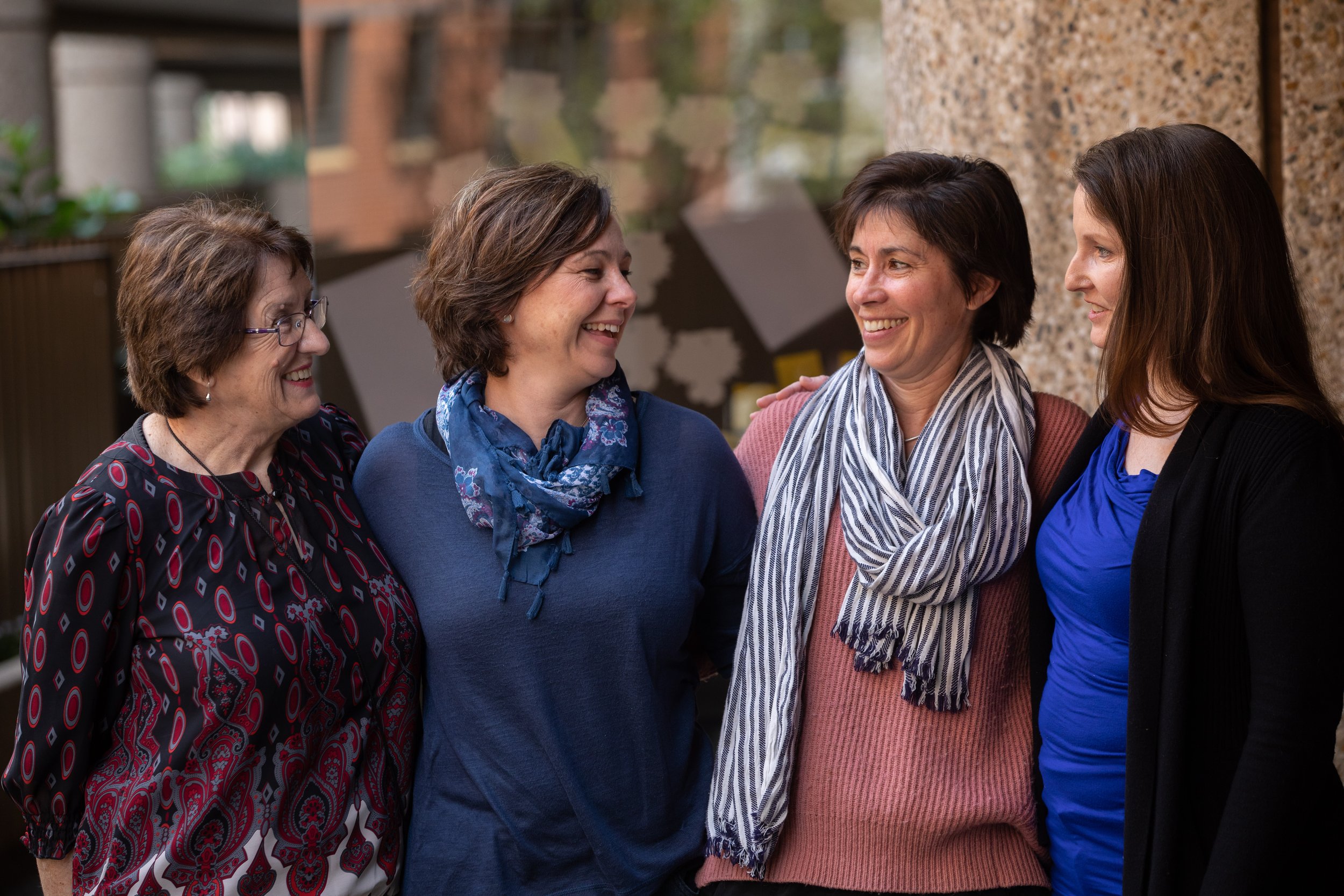
Our students consistently tell us we're a lovely community to be part of.
Our lecturers are world-class, with a wealth of pastoral and teaching experience.
And, you can be confident that everything we offer is firmly grounded in God's word.
In this unit we'll be learning about...
01
Introduction to wellbeing
What do we mean by human flourishing and wellbeing?
Key issues and questions pertaining to a Christian approach to wellbeing
02
Human flourishing in the history of ideas and Christian thought
Exploring Aristotle and Augustine’s ideas of the flourishing life
Understanding our contemporary context
03
Theological reflections upon positive psychology and contemporary understandings of happiness
Positive psychology and its key factors
Theological reflections on positive psychology
04
Virtue and its relationship to wellbeing
What is virtue?
Virtue in Aristotle’s thought and in positive psychology
A Christian perspective on virtue
05
Human flourishing and wellbeing in the Old Testament
Exploring the nature of humanity, the created order, significance of the fall, and the life of blessing in the psalms
06
Human flourishing and wellbeing in the New Testament
The significance of being rightly related to God in relation to wellbeing
Exploring an eschatological framework
08
The contribution of the Church to wellbeing
Religion, spirituality and wellbeing
Psychological and philosophical perspectives on relationships
Relationships in the church
07
Spiritual formation and wellbeing
Spiritual dimension to our humanness
Spiritual growth
Being known by God
09
Suffering and resilience
Pain, difficult circumstances and wellbeing
Resilience
Biblical perspectives on responding to suffering
10
Spiritual wellbeing at the end of life
Guest lecturer Megan Best (2026 ADM Senior Research Fellow)
11
Practices that contribute to personal wellbeing
Exploring practical outworkings of the course
12
Conclusion and synthesis
Summarising the course content and the main proponents of a theological approach to wellbeing
The above is indicative: lecture content may vary year to year
What to expect in class
A friendly community: students come ready to learn with a refreshing mixture of ministry and life experiences.
There are 12 weekly classes, each 3 hours long with a couple of breaks.
This unit is delivered online and in-person: Wednesdays 2pm-5pm.
Classes are a mixture of teaching, Q & A and small group work.
Assessments vary, but there's often an essay and 2 more practical assignments.
Classes are a combination of lecture material and small group work, with plenty of time to ask questions and discuss scenarios.

Meet your lecturer
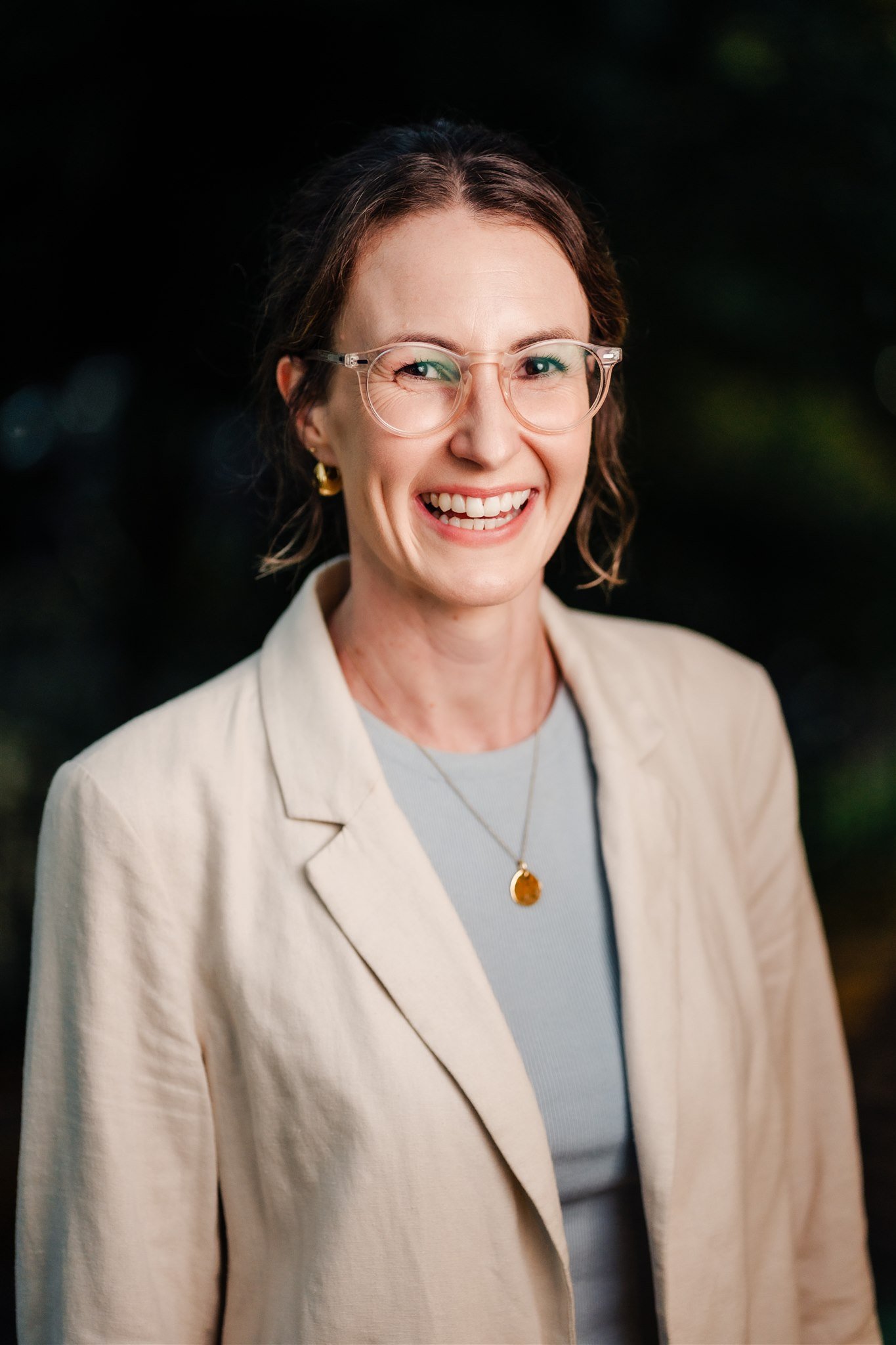
Amy Yeung
Amy Yeung leads the ADM Mental Health Institute and teaches at Mary Andrews College in the areas of mental health, wellbeing, and theology. She brings experience from ministry, counselling, youth work, disability support, and transitional housing across three countries, grounding her teaching in real‑world practice. Amy is also a senior school counsellor and key developer and writer of The Sanctuary Youth Series.
Fees
As part of our wider AUT courses
With FEE-HELP* $0
Diploma Level $2940
Graduate Level $3288
*FEE-HELP available for eligible students enrolled in a whole Diploma or Graduate course
36 class hours - 12 weekly classes - 12 credit points - online only
Currently this unit is not offered at the MAC Certificate level
July - November 2026
Audited
$750
36 class hours - 12 weekly classes
No assignments
July - November 2026
How does this unit fit with our course offerings?
This course can be studied at 2 levels:
Diploma and Advanced Diploma level. For those without an undergraduate degree wanting a course with a large breadth of units. These are courses of the Australian University of Theology: 0.5-1 yr full time, max 8 yrs part-time, 36 class hours per unit, 11-16 units per course.
Graduate Certificate and Graduate Diploma level. Higher level assignments than diploma level. Requires a previous bachelors degree. These are courses of the Australian University of Theology: 0.5-1 yr full time, max 2-4 yrs part-time, 36 class hours per unit, 4-8 unit per course.
