



Theological Perspectives on Mental Health
March - June 2026
PC137-612 and PC137-812
Make sense of mental health challenges from a Christian perspective
There is increasing awareness of mental health in our society and in the church. But how do we make sense of mental health challenges from a Christian perspective? This unit will help you develop a sound biblical and theological understanding of mental health to inform your Christian ministry or professional work.

How this unit can help your ministry
Gain a framework that makes sense of what the Bible says and how it interacts with psychology.
Develop a lens to view the beautiful and rich complexity of who we are as human beings made in the image of God.
Grow in wisdom, seeing how your ministry can encourage hope along with trust for those enduring mental health challenges.

What makes Mary Andrews College different?
We're the only theological college in Australia focused on equipping women.
We specialise in pastoral care and mental health.
Our units are geared to practical theology and ministry—useful for all stages of life and ministry.
Our students consistently tell us we're a lovely community to be part of.
And you can be confident that everything we offer is firmly grounded in God's word.
In this unit we'll be learning about...
01
Introduction to mental ill-health
Theoretical understandings of mental ill-health: the dual continua of mental health and mental illness.
Phenomenological understandings of mental ill-health: the complexity of individual experiences.
02
Mental health throughout history and in the church
A survey of the different ways the church and society have responded to mental health.
03
Theological anthropology
Different understandings of the image of God and the impact of sin.
A Biblical and theological understanding of humanity that takes account of the complexity of the human experience and existence.
04
Theological anthropology 2
Anthropological terms in the Old Testament and New Testament.
The Biblical view of what it means to be human: holistic beings that can be viewed from a variety of perspectives—material, mental, and spiritual.
05
The relationship between body and soul and the biblical reality of a spiritual realm
How human nature cannot be reduced simply to the material.
The biblical reality of a spiritual realm.
Personal responsibility and mental health.
06
Cultural impacts upon mental health theologies
Cultural features of modern life which can negatively impact mental health: technology, social media, and the breakdown of family and community life.
Attitudes and perceptions in the church regarding mental health.
07
Poorly conceived theologies of mental health
Theological and cultural factors that contribute to a lack of understanding in the church around mental health.
08
Suffering, theodicy & lament
Mental ill-health as an experience of human suffering.
The place of lament: acknowledging the reality of evil while maintaining a trusting relationship with a sovereign and good God.
09
Theological implications for diagnosis & treatment of mental ill-health
How biblical anthropology affirms a place for both biological and spiritual treatment of mental ill-health.
Contested understandings in medicine and psychiatry.
The place of spiritual care, community and social support.
10
Eschatology & hope
Hope: its role in society, psychological and theological thought.
How eschatology affects Christian living and practice for those experiencing mental ill-health.
11
Mental health & the church
The theology of the church: how it can play a vital role for those facing mental health issues particularly as a place of family, belonging and welcome.
The gospel transformation of friendship.
12
Conclusion and synthesis
The three dimensions of a theology mental ill-health: who we are as human beings, the nature of our good but fallen world and, God and his redemptive purposes.
The above is indicative: lecture content may vary year to year.
What to expect in class
A friendly community: students come ready to learn with a refreshing mixture of ministry and life experiences.
There are 12 weekly classes, each 3 hours long with a couple of breaks.
This unit is delivered online and in-person: Tuesdays 2pm-5pm.
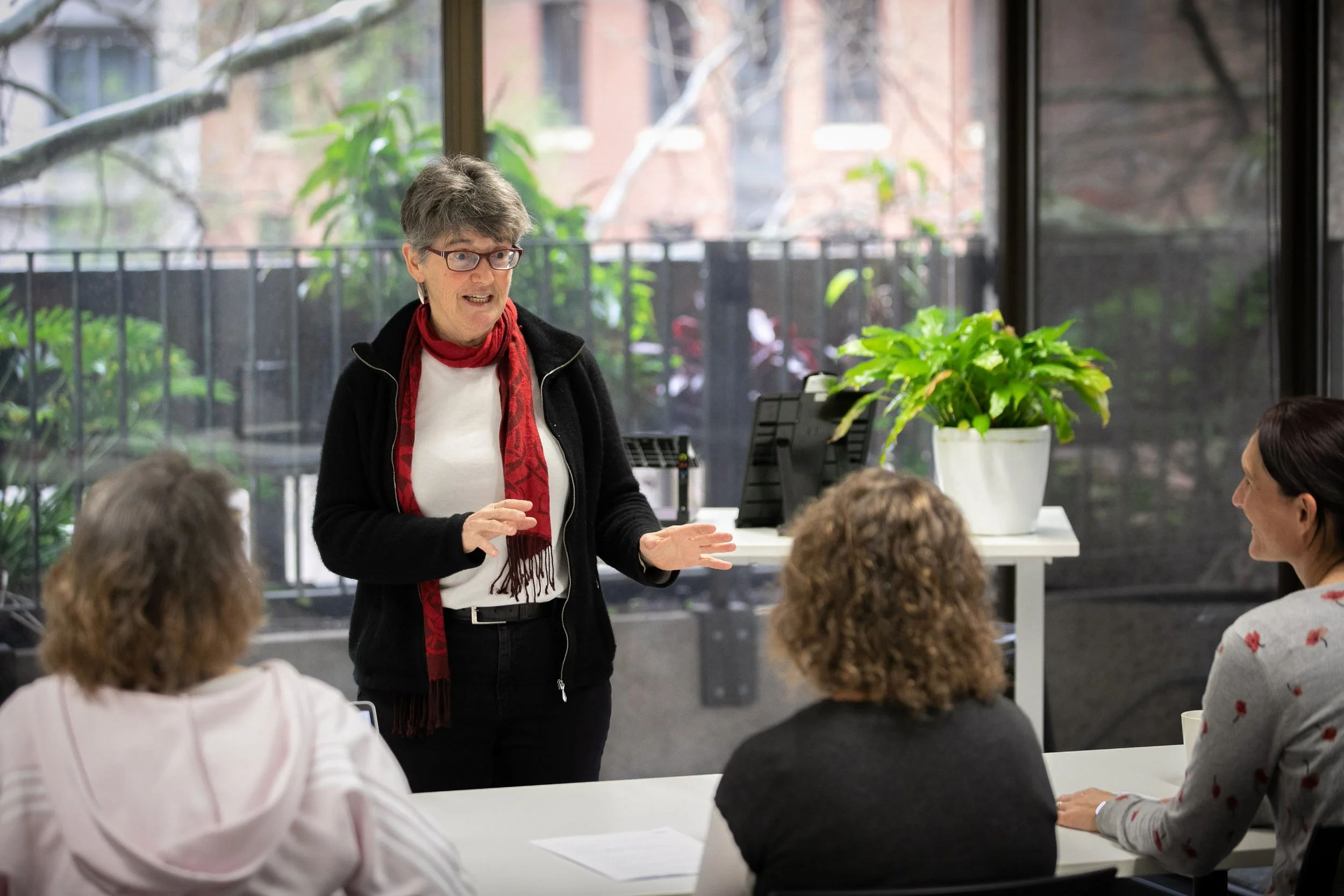
Classes are a mixture of teaching, Q & A and small group work.
Assessments vary, but there's often an essay and 2 more practical assignments.
Meet your lecturer:
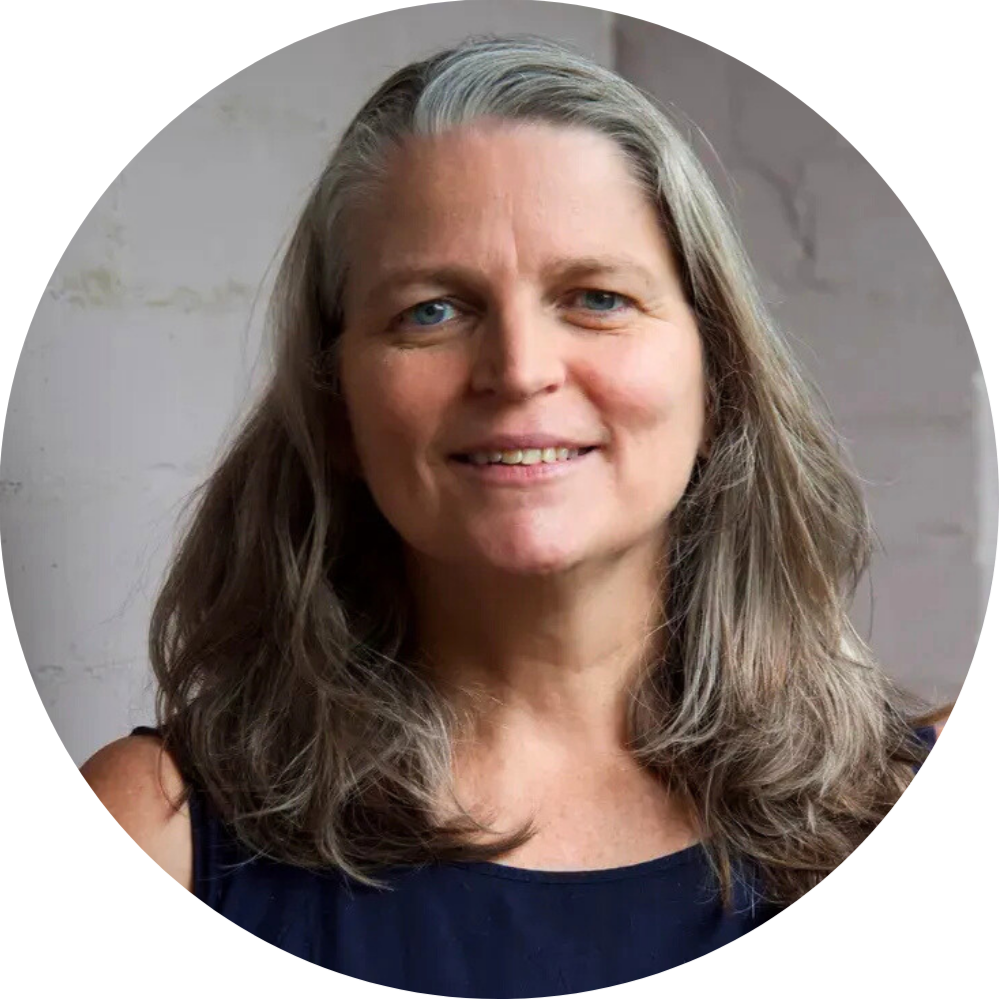
Joanne Charles
Jo studied Biblical Counselling at CCEF and then completed a MA in Counselling from Westminster Theological Seminary, Philadelphia. She's taught at the Centre for Pastoral Studies in Chile and serves as online faculty for WTS.
What our students say…
Liz
“It's so topical! Mental healthcare at the moment is everywhere. It's in politics, education, youth, aging, it's in everything. So, to have thought about what the Bible says about it... is just so important. I have found that all of the things that we've covered have been things that I've used every day.”
Natalie
"There were times when I felt like every week, there were things that I learnt that I then applied immediately in my ministry.
As a woman in ministry, I would hear people's secrets, their disclosures, their trauma.. and having had time and space to think about it, I can give really, really good news to people who really need to hear it."
Fees
As part of our wider AUT courses
With FEE-HELP* $0
Diploma Level $2940
Graduate Level $3288
*FEE-HELP available for eligible students enrolled in a whole Diploma or Graduate course
36 class hours - 12 weekly classes - 12 credit points - online only
Currently this unit is not offered at the MAC Certificate level
March - June 2026
Audited
$750
36 class hours - 12 weekly classes
No assignments
March - June 2025
How does this unit fit with our course offerings?
This course can be studied at 2 levels:
Diploma and Advanced Diploma level. For those without an undergraduate degree wanting a course with a large breadth of units. These are courses of the Australian University of Theology: 0.5-1 yr full time, max 8 yrs part-time, 36 class hours per unit, 11-16 units per course.
Graduate Certificate and Graduate Diploma level. Higher level assignments than diploma level. Requires a previous bachelors degree. These are courses of the Australian University of Theology: 0.5-1 yr full time, max 2-4 yrs part-time, 36 class hours per unit, 4-8 unit per course.