

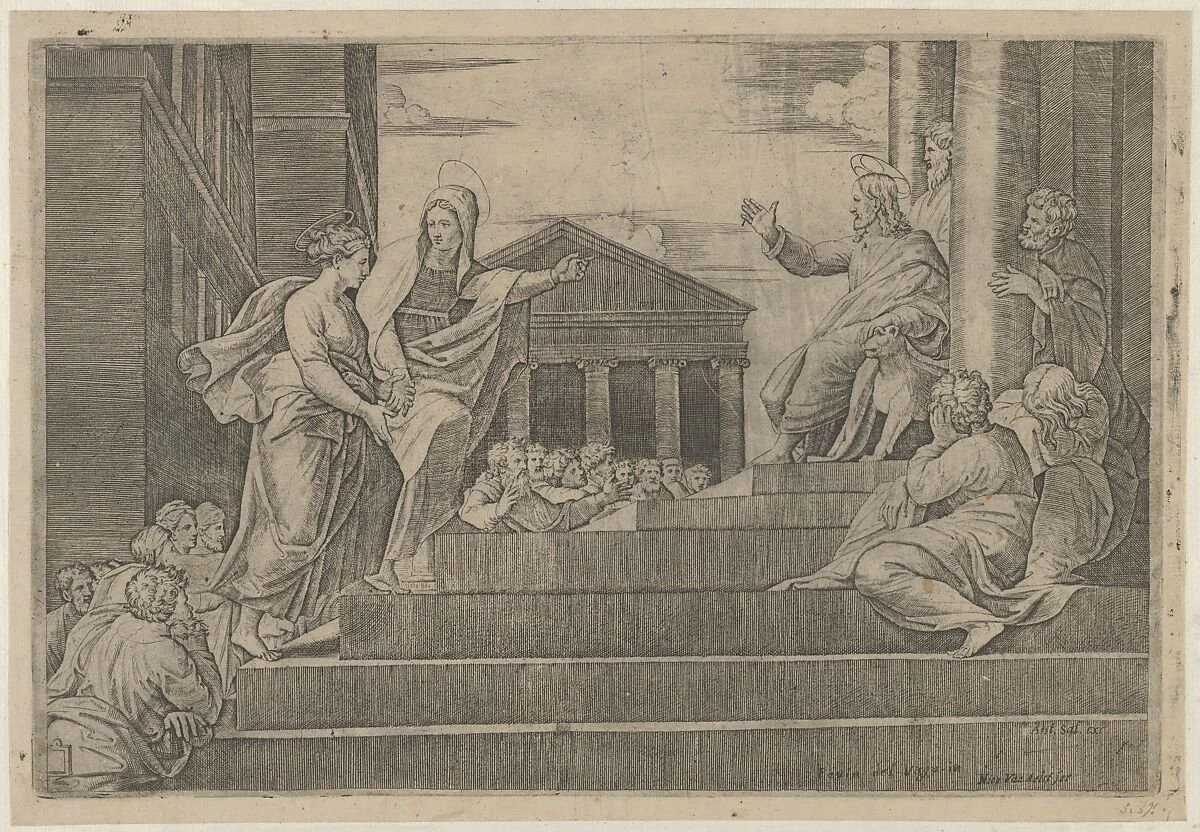

Women in the History of Christianity
March - June 2026
CH021-512 and CH021-812
What can we learn from our sisters who have gone before us?
Women in the History of Christianity is a new unit, created by Dr Nicole Starling, being offered at Mary Andrews College for the first time in Semester 1, 2026. This unit offers an opportunity to explore the unique perspectives and contributions women have made in building the church.
“Church history is a little bit like family history. It’s a chance to learn about where we’ve come from and who we are. We’ll learn about our sisters who contributed in countless ways, including exercising leadership, personal devotion to Jesus, writing theology and music, social activism and mission work. I can’t wait to explore our “family history” together!” - Dr Nicole Starling

How this unit can help your ministry
Understanding the experiences and contributions of women in the history of Christianity
Be able to relate perspectives from the history of women in Christianity to inform current ministry contexts and,
trace major trends for women in the history of Christianity
What makes Mary Andrews College different?
We're the only theological college in Australia focussing on equipping women
We specialise in pastoral care and mental health.
Our units are geared to practical theology and ministry that is just as useful for volunteers as those in vocational ministry.
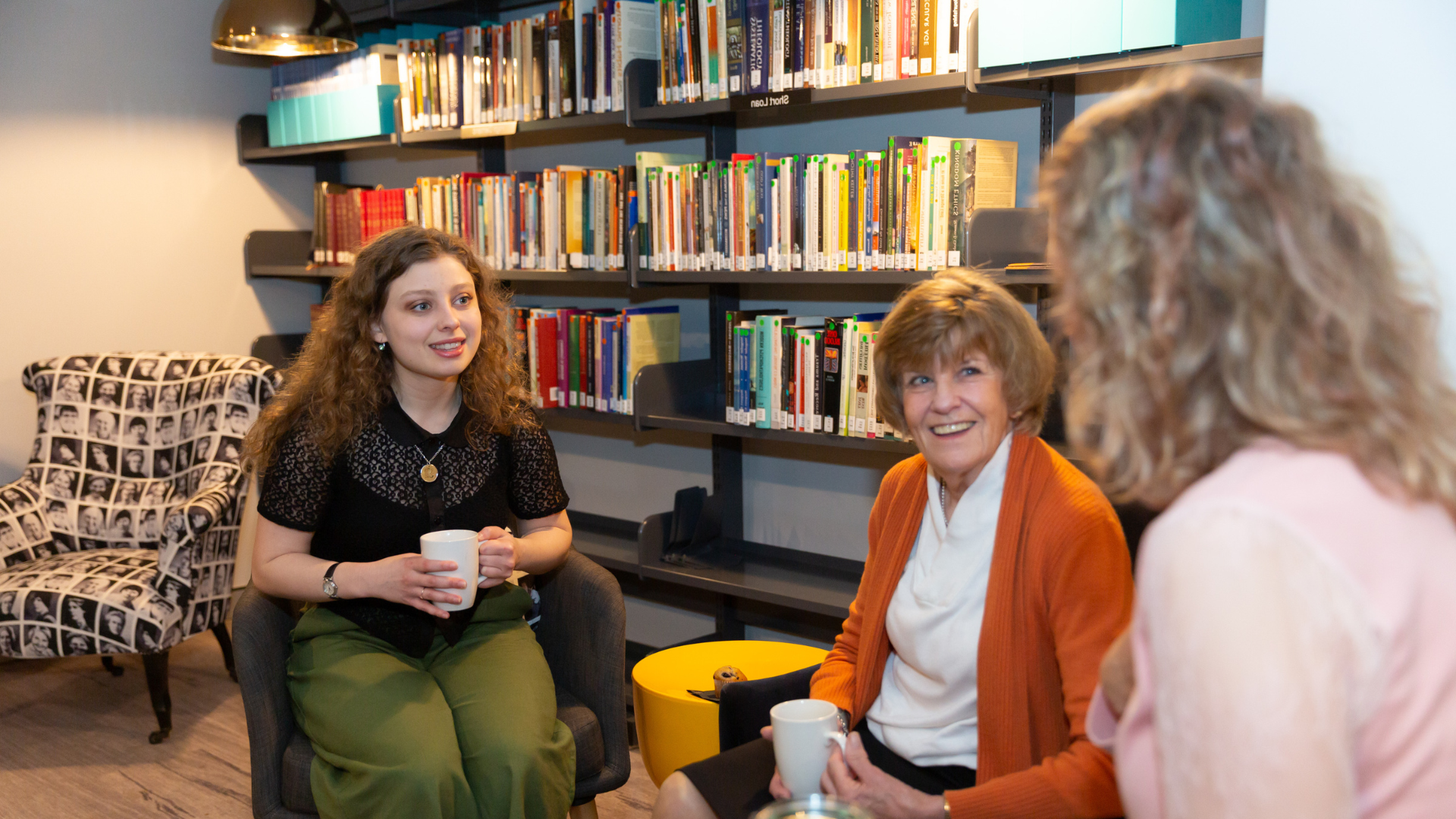
Our students consistently tell us we're a really lovely community to be part of.
And, you can be confident that everything we offer is firmly grounded in God's word.
In this unit we'll be learning about...
01
Disciples, Deacons, patrons, widows
Women were active participants in the early Christian movement with diverse roles including
disciples like Mary Magdalene who played critical roles in Jesus' ministry and in the resurrection narratives,
deacons such as Phoebe who held positions of leadership and service,
patrons like Lydia who provided crucial support, and
widows who formed a significant part of the early church community.
02
Martyrs and bone gatherers
Stories of women who demonstrated costly discipleship including:
early Christian martyrs (like Perpetua, and Felicitas)
Pudentiana and Praxedes, known for their dedication to the Christian community and the respectful gathering of martyrs' remains.
03
Ascetics, virgins, mothers
Different expressions of Christian womanhood in late antiquity and the early medieval period.
Women like Macrina and Scholastica, who embraced asceticism and established influential monastic communities.
Monica and Helena, who significantly shaped Christian history through their roles as mothers.
Thecla, whose story represented early ideals of female piety and independence.
04
Nuns and abbesses, Mystics and beguines
The medieval period saw the rise of new paths for women in the church.
influential nuns and abbesses, such as Hilda of Whitby and Hildegard of Bingen.
Medieval mystics and beguines, such as Julian of Norwich, Margery Kempe, and Catherine of Siena.
05
Reformation women
The Reformation era introduced changes to many aspects of the church, including the roles of women in the public and private sphere. Figures like Katherine Zell and Katherine von Bora played crucial roles in supporting the movement, contributing to theological discussions, and establishing models for reformed Christian households.
06
Puritan women
Puritan women like Sarah Edwards, Sarah Osborn, and Anne Dutton actively engaged with the intense religious culture of their time.
They participated in theological discussions,
maintained vibrant spiritual lives documented in letters and diaries, and
contributed to the religious landscape through their writings and influence within their communities and families.
07
Patrons and preachers
Figures like Selina, Countess of Huntingdon, used their wealth and social standing to support evangelical movements.
Women such as Mary Bosanquet Fletcher and Catherine Booth defied social norms to become influential preachers and leaders.
We’ll consider the diverse ways women actively shaped the religious landscape through their resources and vocal ministry.
08
Social reformers
The 18th and 19th centuries presented opportunities for Christian women to involve themselves in social reform movements. Women like Josephine Butler and Hannah More emerged as influential social reformers driven by their Christian faith. They actively campaigned against social injustices and advocated for improvements in education and social welfare.
09
Deaconesses
In the 19th century the role of “deaconess” was re-introduced in Protestant churches. Deaconesses played vital roles in pastoral care, social outreach, and practical ministry within their communities, demonstrating a renewed recognition of women's leadership and service within formal church structures. We look at some early deaconesses like Isabella Gilmore and Katherine Ferard as well as some of our very own deaconesses from the Sydney diocese.
10
Missionaries and evangelists
Women have played crucial roles as missionaries and evangelists, as participants in the modern missionary movement. As well as playing key roles in the expansion of Christianity in the 19th and 20th centuries, their involvement on the mission field led to lasting changes to the role of women in the Western church.
11
Women and the Ordination debates
The question of whether women should be ordained within specific denominations was a recurring topic of debate in the 20th century. We’ll focus particularly on the debate in the Sydney diocese in our discussion.
12
Women and Christianity in the Global South
This lesson will highlight the diverse expressions and leadership of women in Christianity across the Southern Hemisphere. We’ll examine some specific contributions of women like Paula Dlamini, Christiana Abiodun Akinsowon, Kang Wan-suk and consider their impact on the wider church.
The above is indicative: lecture content may vary year to year
What to expect in class
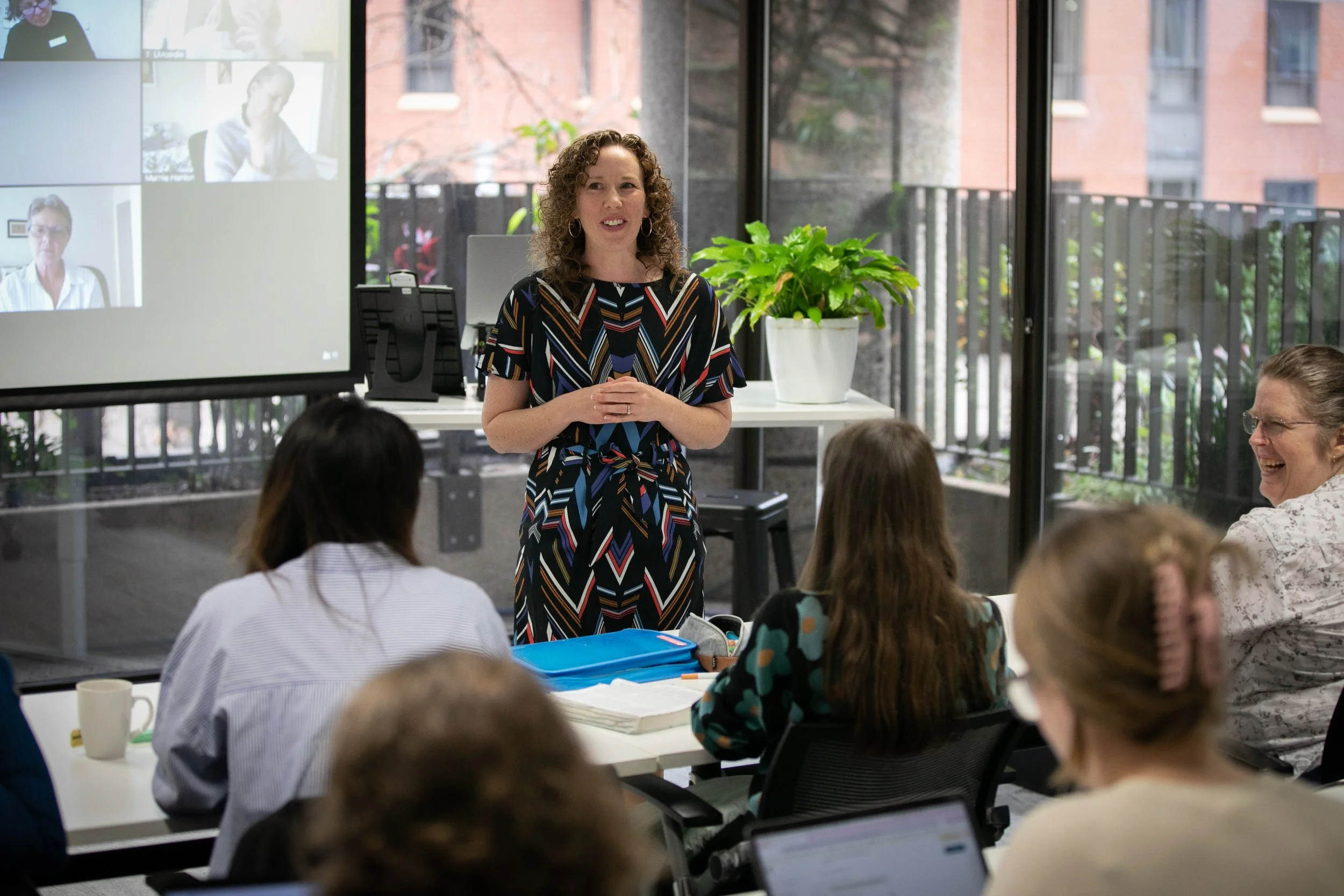
We're a friendly bunch: students have mixed ministry and life experiences
There are 12 weekly classes, each 3 hours long with a couple of breaks
You can attend in person at ADM offices at Town Hall, Sydney or on Zoom
Classes are a mixture of upfront teaching, Q & A and small group work
Assessments vary, but there's often an essay and 2 more practical assignments
Meet your lecturer
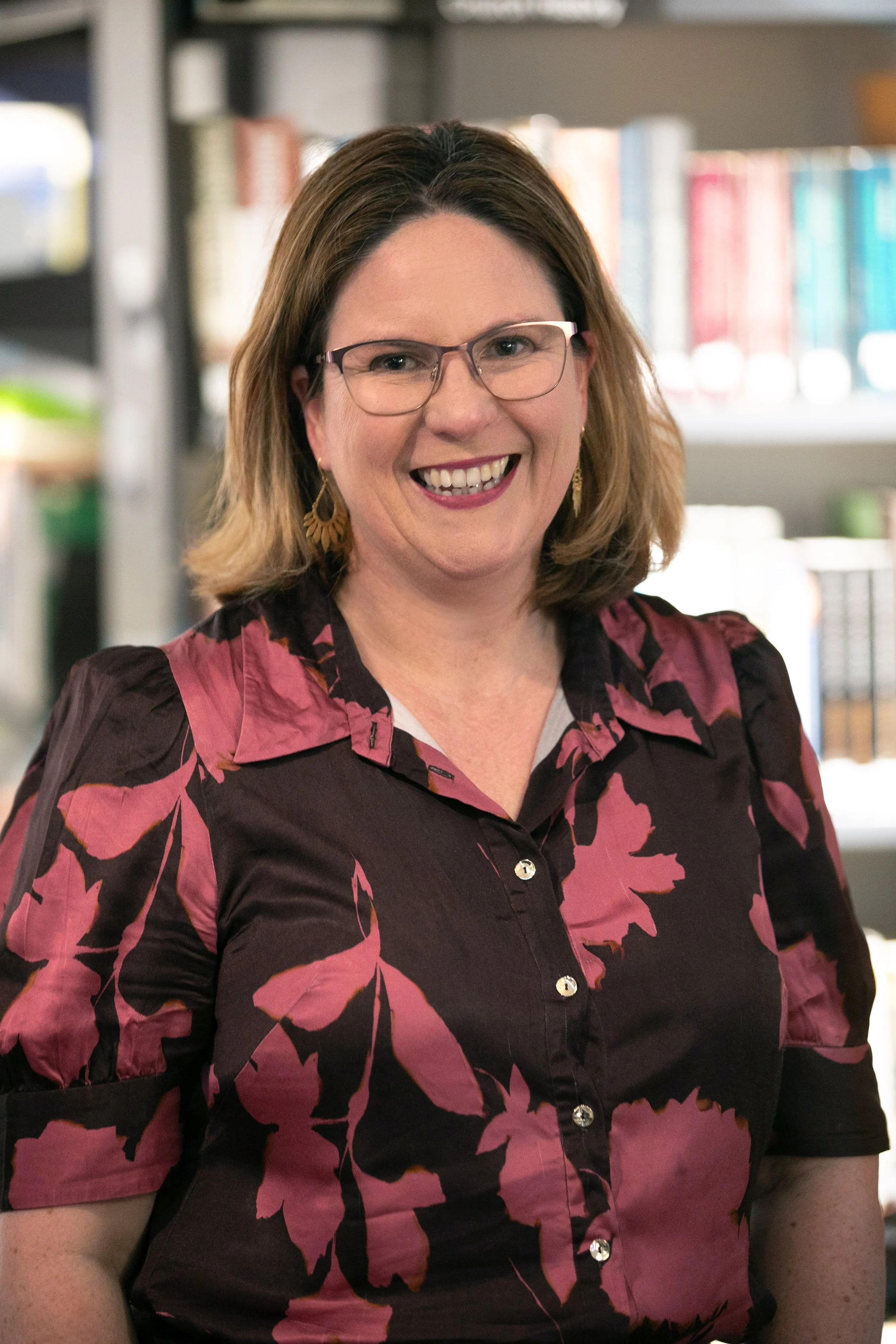
Dr Nicole Starling
Nicole has lectured on Christian History since 2014 and her published research includes articles on evangelical history, the temperance movement, and the ministry of women in early colonial Australia. She has worked in paid and unpaid Christian ministry in a variety of contexts for the past 25 years.
What our students say…
“This was a fascinating semester learning about so many remarkable, godly (and some not so) people from history. Nicole enabled us to delve into a vast number of the developments in Christian thought, practices and connections over hundreds of years! The assignments have added further depth. I have enjoyed learning how the truth of the Christian gospel has endured conflicts, confusions and disappointments, and how simultaneously God has mercifully sustained so many Christians to honour his name by teaching, engaging and loving other people. I am looking forward to continuing to learn more about the history of Christianity.”
“I loved this bit and loved the way Dr Starling facilitated and lectured. She is a wealthnof knowledge and she really extracted the most interesting facts and lectures from an overwhelming amount of material. All the supporting links and videos and extra reading was great. She also managed a rather large group really well. It never felt rushed. I would do this unit again - from start to finish- if I could, because it is so rich with history and information.
Thank you, Nicole!”
Fees
As part of our wider AUT courses
With FEE-HELP* $0
Diploma Level $2940
Graduate Level $3288
*FEE-HELP available for eligible students enrolled in a whole Diploma or Graduate course
36 class hours - 12 weekly classes - 12 credit points - online only
Currently this unit is not offered at the MAC Certificate level
March - June 2026
Audited
$750
36 class hours - 12 weekly classes
No assignments
March - June 2025
How does this unit fit with our course offerings?
This course can be studied at 2 levels:
Diploma and Advanced Diploma level. For those without an undergraduate degree wanting a course with a large breadth of units. These are courses of the Australian University of Theology: 0.5-1 yr full time, max 8 yrs part-time, 36 class hours per unit, 11-16 units per course.
Graduate Certificate and Graduate Diploma level. Higher level assignments than diploma level. Requires a previous bachelors degree. These are courses of the Australian University of Theology: 0.5-1 yr full time, max 2-4 yrs part-time, 36 class hours per unit, 4-8 unit per course.
