

A line in the Deaconess House report of 1938 caught my attention:
“Deaconess Baker has left the Home and now resides with her people.”
The report went on to explain that the Deaconess Baker’s relocation was to Yarra Bay, one of the makeshift, depression-era settlements of unemployed people which had popped up on the outskirts of Sydney in the 1930s.
In 1935, Dorothea Baker had been appointed to work as a deaconess in the Yarra Bay parish. She facilitated three Sunday evening church services each week across the parish, started a Confirmation class and organised the Sunday school. But in 1938 she decided that commuting to and from the parish while still based at Deaconess House made her too remote from the people she had been appointed to minister amongst—from “her people,” as she put it.
Relocation to Yarra Bay meant a further strengthening of the bond she felt with the people she served. When the Mayor of Randwick attacked in them in the press, she leapt to their defence and was able to speak with authority as one who knew every family in the settlement personally. Whilst her own life experiences had not been identical with theirs, she had entered into a close enough connection to know them, to enjoy their trust, and to minister the gospel from a position of solidarity, empathy and proximity.
When I read about the depression-era ministry of Deaconess Baker, I can’t help but be reminded of Jesus. The wonder of the Incarnation is that God chose not to rescue humanity from afar, but to step into our world and share our life among us. There are dangers, of course, in drawing too close an analogy between the unique, unrepeatable, once-for all event of the incarnation and the patterns of ministry that we are called to adopt in imitation of Jesus. But we are still meant to imitate him. “Follow my example,” Paul writes, “as I follow the example of Christ.” And that example involves going to places we might not otherwise have gone to, becoming things we might not otherwise have become, doing things we might not otherwise have had reason to do, “so that by all possible means [we] might save some.” (1 Cor 9:22)
Like countless other deaconesses and deacons across the centuries of church history, Dorothea Baker understood that following Jesus meant imitating him, and imitating him meant learning to live as a servant—not lecturing about him to strangers, from a distance, but following the example of the one who said to the disciples: “I am among you as one who serves.” (Luke 22:27)
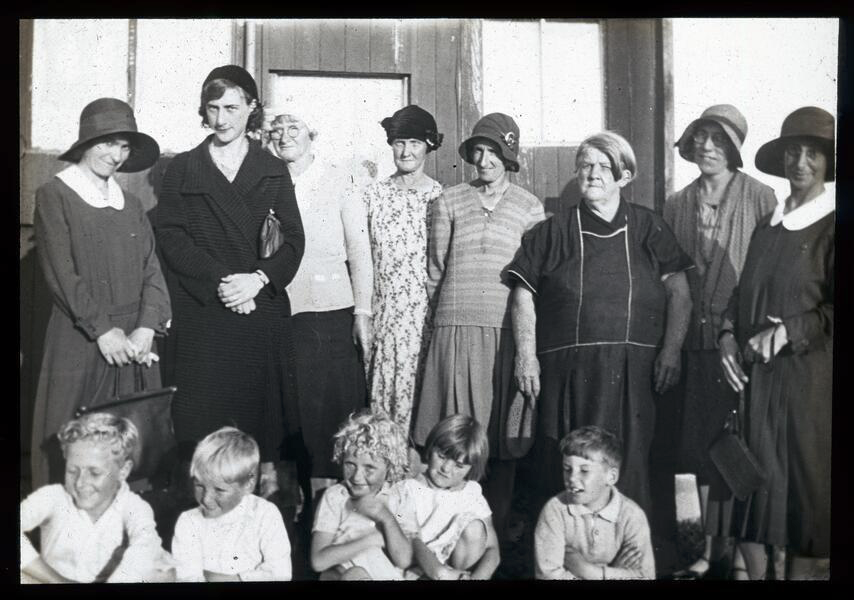
Dorothea (left) with some of her people at Yarra Bay
For reflection:
Who are the people God is calling you to draw nearer to rather than serve at a distance?
What might it look like to imitate Christ's pattern of presence and proximity? Share your thoughts on today’s Facebook post
Prayer: Father, thank you that in Jesus you came near to us. Help us to love people as he did, drawing near with humility, compassion, and grace. Show us who you are calling us to serve, and give us willing hearts to go where you lead. Amen.

Nicole lectures in Church History and enjoys uncovering stories from the past that help Christians think faithfully about life and ministry today.